
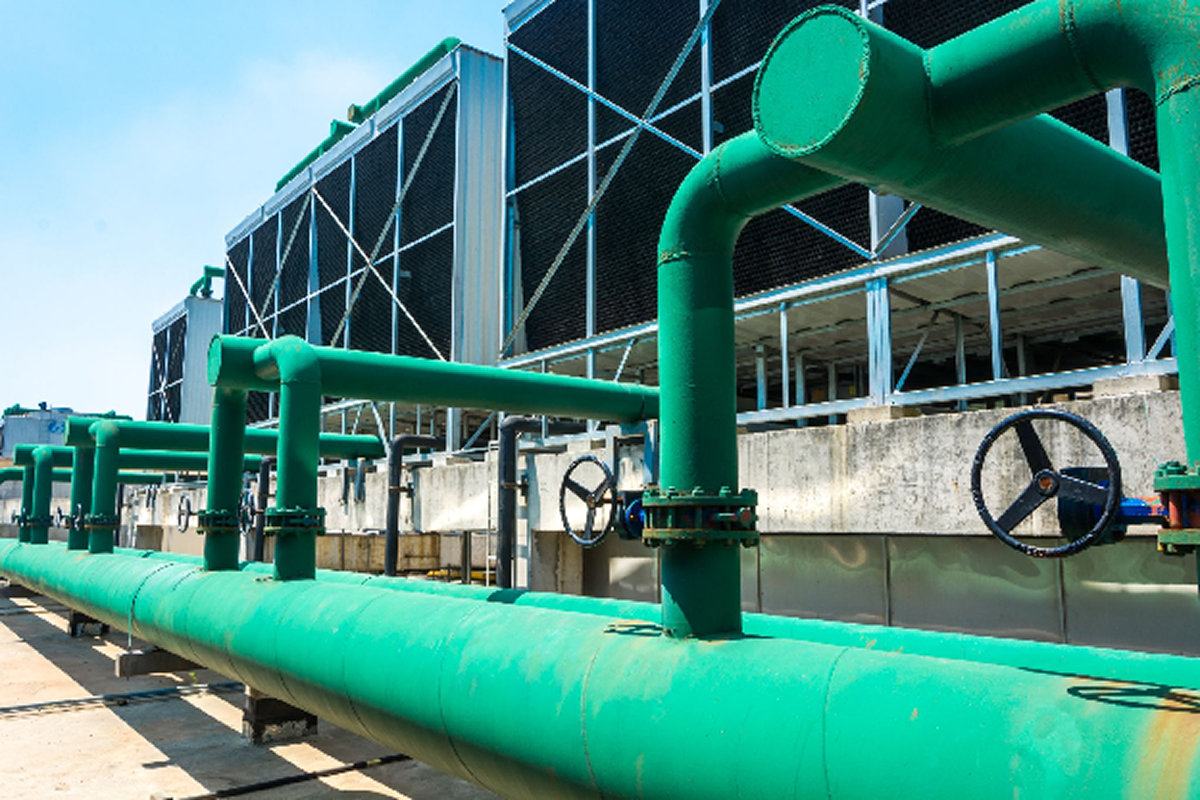
Top 5 Inline Mixers for Flocculation in Water Treatment
The top inline mixers for flocculation in water treatment are AquaShear, FRC, Statiflo, Westfall, Kenics, Koflo, and Komax, each matched to a different stage of the coagulation and flocculation process. Flocculation in water treatment lives or dies on how the chemical hits the water. Add a coagulant like alum or ferric chloride and it starts reacting in under a second. If the mixer does not spread it fast and evenly,
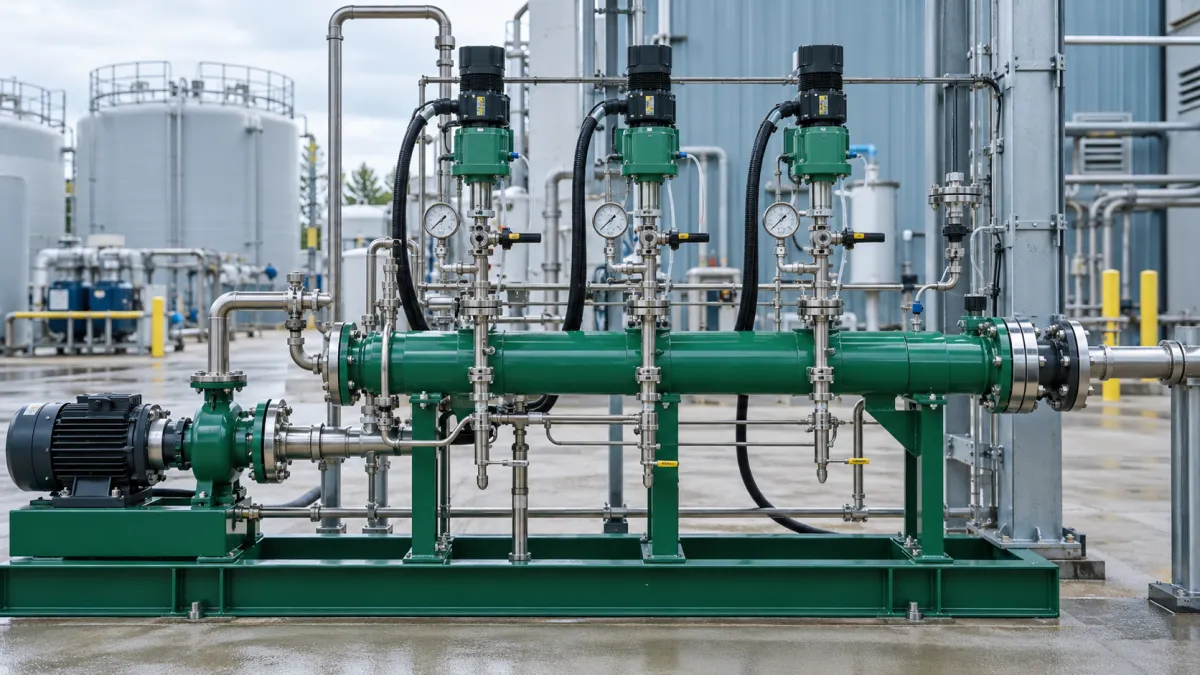
Choosing a Mixer for Membrane Pretreatment and Chemical Blending
An antiscalant dosed at 3 ppm has to distribute through the entire feed line before the water reaches the lead element. Sodium bisulfite gets roughly 20 to 30 seconds of pipe to pull every trace of free chlorine out of the flow. Membrane pretreatment mixing carries both of those jobs, and a membrane records what the mixing step misses permanently. Scale grows where the antiscalant never arrived. Oxidation takes the
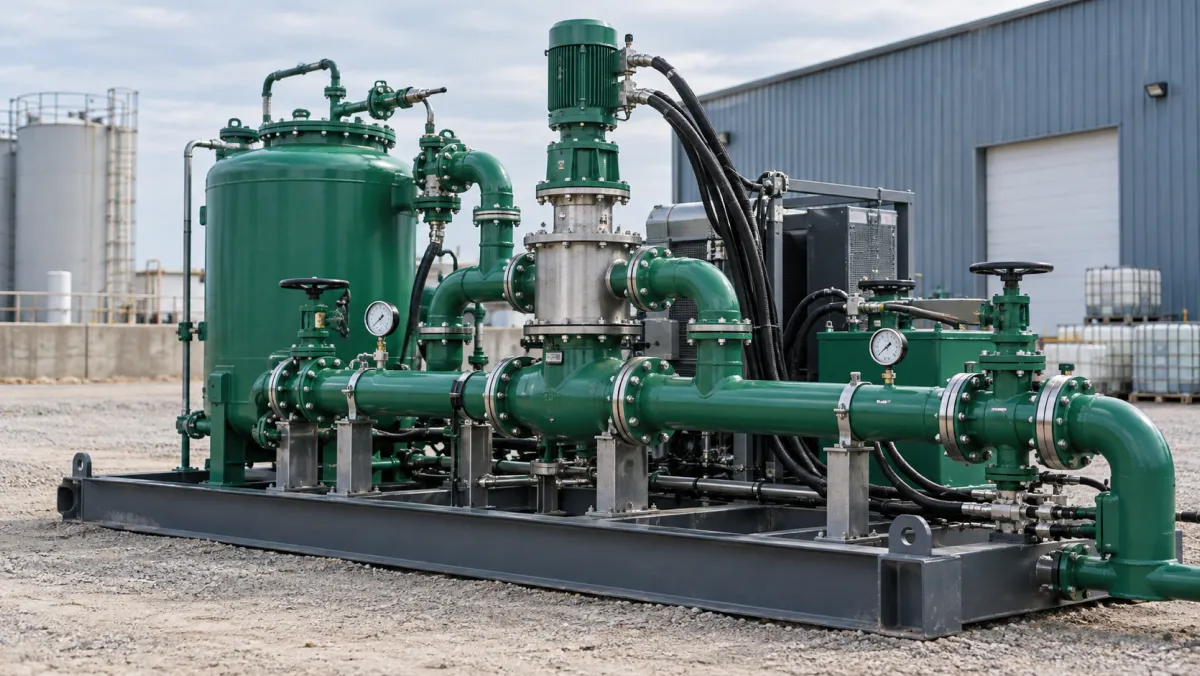
Why Simplicity Beats Automation in Frac Fluid Mixing
Frac crews judge a mixing system by the screen on the side of the skid. That screen reports what the dosing pumps did, not whether the polymer dispersed. Meter a friction reducer perfectly into water it never fully contacts and the fluid still reaches the perforations without the drag reduction the treatment design assumed. A hydraulic fracturing fluid mixing system succeeds or fails on the energy delivered where dry or
How Inline Mixing Improves Clarification and Chemical Treatment in Water Systems
Water treatment plants live and die by the consistency of their chemical contact. Add a coagulant to turbulent water with poor dispersion and the floc won't form the way it should. Dose chlorine through a dead-zone-prone system and your CT calculations are based on chemistry that isn't reaching every part of the flow. The inline mixer for water treatment isn't a secondary consideration, it's where your treatment performance either starts
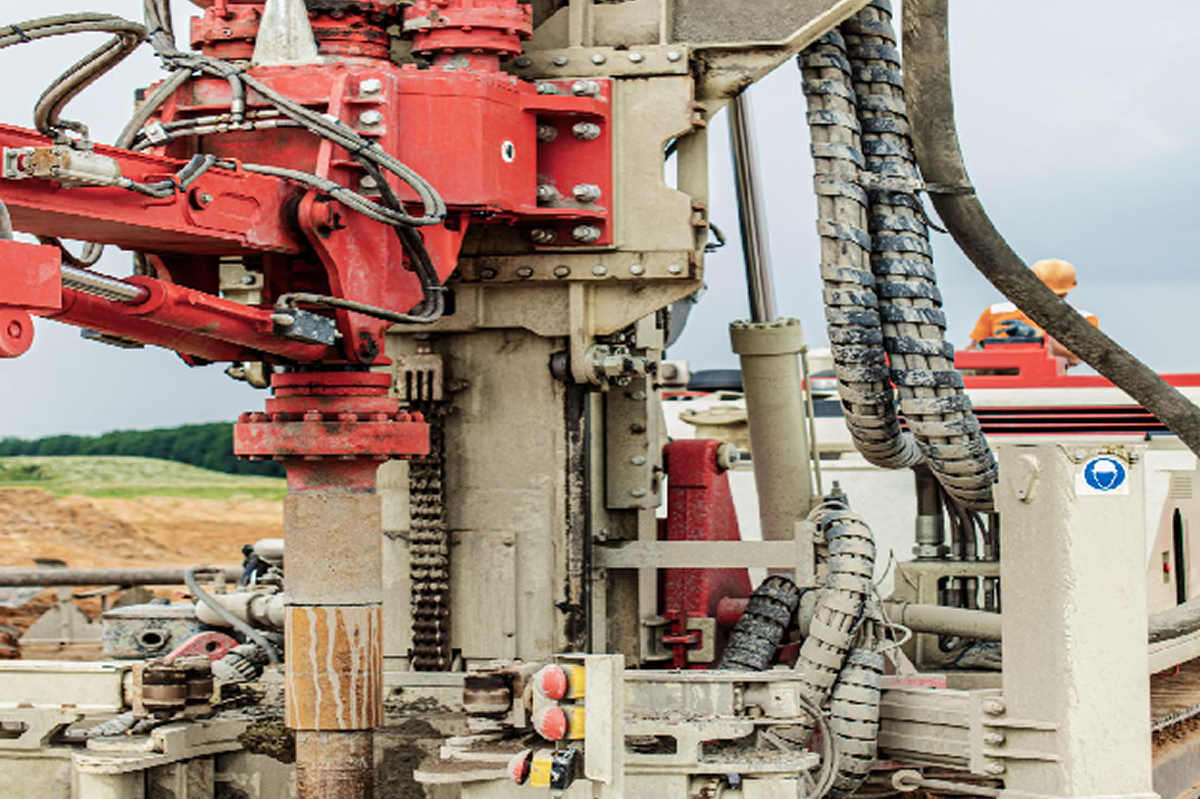
How Mixing Impacts the Performance of Drilling Additives at the Wellsite
A lot of chemical spend at the wellsite gets blamed on product quality. The friction reducer isn't working. The fluid loss agent isn't building cake. The clay stabilizer isn't holding. But in most of those cases, the product is fine. The drilling additive mixing system is the problem. Fully activating oilfield polymers, getting them to the point where they're chemically available to do their job, depends entirely on what happens
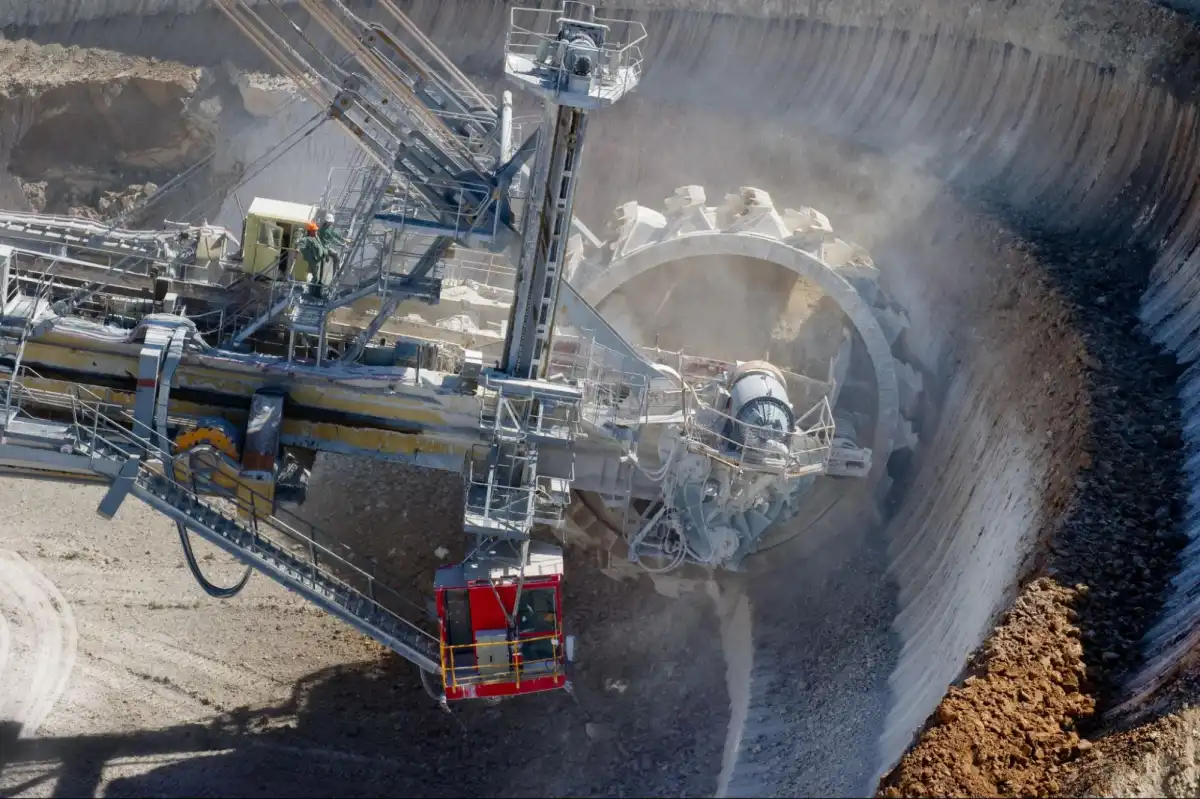
Slurry Mixing in Mining: Better Recovery & Lower Water Use
Slurry management plays an important role in process efficiency in mining operations. Poorly mixed slurries can increase water demand, reduce recovery rates, and elevate the risk of contamination in nearby lakes, rivers, and groundwater. Modern approaches such as paste tailings plants demonstrate what is possible, increasing solids concentration compared to conventional thickeners and enabling far more water to be reclaimed and reused on-site. Better slurry handling also supports broader operational