
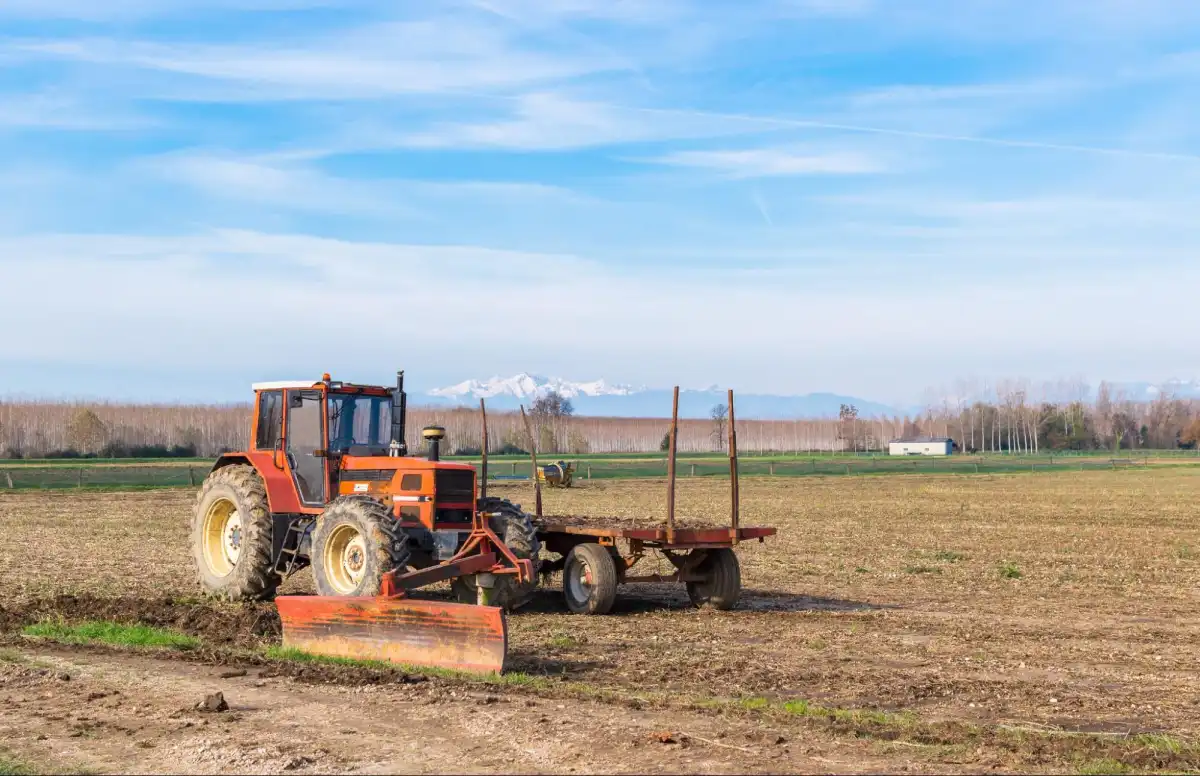
Managing a wastewater lagoon or manure storage facility means dealing with more than just unpleasant smells. The whole operation’s efficiency and compliance suffer from poor mixing. The right slurry mixing systems stop sludge mats from forming and limit odorous compounds like hydrogen sulfide and volatile organic compounds (VOCs) from escaping. A well-designed slurry lagoon handles about 10,000 gallons per cow annually and serves both storage and waste stabilization needs. Large facilities that hold 1.4 million gallons or more face extreme settling problems and overwhelming odors without the right mixing equipment.
AquaShear understands that your operation cannot afford delays caused by poor mixing. Traditional systems often leave clumps behind and force you to use more chemicals than necessary. Our inline mixers solve that problem by creating consistent blends within seconds, and it has no moving parts that can give out during important work. Here is what you need to know about how inline mixers support better slurry mixing and set the stage for stronger lagoon management.
Slurry Mixing and Its Role in Odor Control
Proper slurry mixing is crucial to manage odors effectively in agricultural and wastewater operations. You can make significant improvements to your facility’s environmental footprint and optimize operations by understanding this connection.
What is slurry mixing?
Slurry mixing combines solids with liquids to create a homogeneous suspension. This process typically mixes animal waste with water in farming settings. The mixture needs uniform consistency throughout to stop solids from settling at the bottom of storage tanks or lagoons.
How poor mixing leads to odor
Slurry odors become most noticeable and offensive as you stir or agitate the mixture. The unpleasant smell comes from various gasses including alcohols, aldehydes, amines, and carboxylic acids. Sulfur-containing compounds show the strongest link to odor concentration.
Solids settle when mixing is inadequate, creating anaerobic zones where odor-producing bacteria grow. These areas generate concentrated pockets of hydrogen sulfide, ammonia, and volatile organic compounds. When those pockets are disturbed, they release strong, unpleasant odors that can spread quickly.
Biological processes affected by mixing
When slurry sits without proper mixing, organic material breaks down in low-oxygen conditions. This breakdown creates strong-smelling compounds, especially from proteins and fermentable carbohydrates. As this continues, the slurry produces volatile fatty acids, ammonia, and sulfur-based compounds that contribute to odor. These odors build quickly. Research shows short-chain fatty acids can rise sharply in only four weeks, and branch-chain fatty acids can increase by nearly 694 percent within six weeks.
Consistent mixing interrupts these conditions. It keeps the slurry uniform, stops solids from settling, and reduces odor at its source. Installing an inline mixer before your lagoon storage helps you maintain that consistency, save time, cut costs, and avoid odor concerns that affect the surrounding area.

Designing an Effective Slurry Mixing System
A well-designed slurry mixing system needs the right equipment and smart layout planning to stop odor problems before they begin. Let me walk you through the essential parts you need to get the best results.
Slurry mixing equipment types
The most common tools for slurry mixing are inclined shaft propeller agitators and inclined shaft centrifugal chopper agitator pumps. These machines usually require tractors with 90 to 140 horsepower to run well. Some materials are harder to blend, so eductors and wetting cones are helpful for mixing powders and liquids into a smooth, consistent slurry.
Importance of agitation before lagoon entry
The right amount of mixing before entering the lagoon is vital. Most storage facilities need 2-4 hours of agitation before land application, and you must keep mixing throughout the process. Storage areas often require several hours of mixing to blend everything well enough to remove.
Using lift stations and recirculation pumps
Recirculation pumps help keep mixture consistency steady in sumps and slurry tanks. They make sure sediment stays mixed and doesn’t settle at the bottom. You can add valves to these systems that let slurry flow through separate discharge hoses once it hits the right consistency.
Slurry mixing system layout examples
Most prop-type agitators reach 50-75 feet, so you need to move them around the perimeter about every 100 feet to remove all solids properly. This means you must place access points for mixing equipment carefully.

Performance Benefits of Proper Slurry Mixing
An inline mixer can significantly improve slurry management and deliver measurable benefits across your operation. Here are some of the ways this technology can support better performance on your farm.
Reduced odor emissions
The right mixing cuts down unpleasant smells by a lot through breakdown of volatile compounds. Studies reveal impressive results, 99% reduction in ammonia, 81% in dimethyl sulfide, and 95% in p-cresol with proper mixing systems.
Lower sludge accumulation
Strong agitation keeps solids suspended rather than letting them settle at the bottom. Operations that use effective slurry mixing equipment typically require fewer lagoon cleanings, which reduces maintenance costs over time. Inline mixers create a powerful vortex that maintains consistent movement throughout the slurry and helps eliminate dead zones, leading to noticeably lower sludge accumulation.
Improved nutrient consistency
Mixed slurry gives you homogenized nutrients that spread more evenly. Research shows central agitation systems blend manure solids and nutrients better, creating a reliable fertilizer source. An inline mixer will help you achieve perfect blends within seconds, unlike conventional systems that struggle with consistency.
Fewer complaints and regulatory issues
Raw slurry releases strong odors that can quickly lead to frustration in nearby communities. Operations located close to residential areas see clear benefits when they reduce these smells through proper slurry mixing. Better mixing lowers the chance of nuisance complaints, helps maintain good relationships with neighbors, and supports smoother compliance with local odor control and environmental regulations.
Better crop fertilization outcomes
Mixed slurry helps crops thrive. Research demonstrates that combining bio-slurry with chemical fertilizers pushes maize yield up compared to using no fertilizer. This balanced nutrient profile helps crops establish stronger growth and makes better use of applied fertilizers.
Why AquaShear Inline Mixer is a Smart Investment
The AquaShear inline mixer stands at the core of superior slurry management in the agriculture industry, a breakthrough solution that revolutionizes waste material handling.
Inline mixing before lagoon storage
The AquaShear inline mixer treats slurry before it reaches your lagoon storage. This approach stops problems before they start, rather than fixing them later. Two streams collide in our mixing chamber to create powerful hydraulic vortices, and complete blending happens in seconds without any moving parts.
Prevents solids from settling
Our technology delivers consistent homogeneity throughout your slurry, unlike traditional mixers that create dead zones and uneven blends. The powerful hydraulic vortex spreads particles uniformly, which ends up protecting your downstream equipment from excessive wear.
Reduces odor at the source
The AquaShear system tackles odors head-on. Organic material gets mixed so quickly that it has minimal time to develop offensive compounds. Our system cuts mixing cycles from six hours to just 45 minutes based on field trials, giving odor-producing bacteria nowhere near the chance to create problems.
Easy to install and maintain
You can install the system in less than 4 hours. It needs just 15 minutes of cleaning every three months. The system has no moving parts to fail, which means less downtime and better operational reliability.
Compatible with existing systems
The AquaShear mixer connects through standard Victaulic or ANSI flanges. It comes with inline loop and skid-mount options that integrate smoothly. Most farms add the system without making major changes to their existing infrastructure.

Slurry Mixing Cuts Odor and Improves Lagoon Management
Proper slurry mixing can transform lagoon management by cutting odors, maintaining consistent conditions, and preventing the issues that lead to neighbor concerns. Inline mixing completes the job far faster than traditional methods and limits the time odor-producing bacteria have to grow, giving your operation a cleaner and more reliable workflow.
With no moving parts, minimal maintenance, and quick installation, AquaShear inline mixers offer a simple way to improve performance and reduce long-term costs. If you’re ready to upgrade your slurry mixing process and strengthen your lagoon management, contact our team to learn more or request a quote today.
Frequently Asked Questions
How can I reduce odors from my slurry lagoon?
Proper slurry mixing is key to reducing odors. Using an efficient inline mixer before lagoon storage prevents solids from settling and reduces odor at the source. This approach, combined with regular maintenance and monitoring, can significantly decrease unpleasant smells.
What are the benefits of effective slurry mixing?
Effective slurry mixing offers multiple benefits, including reduced odor emissions, lower sludge accumulation, improved nutrient consistency for better crop fertilization, fewer regulatory issues, and decreased likelihood of neighbor complaints.
How long does it typically take to mix slurry properly?
Traditional mixing methods can take 6 or more hours. However, advanced inline mixing technologies can complete the job in under an hour, significantly reducing the time window for odor development and improving overall efficiency.
Are there any maintenance requirements for slurry mixing systems?
Maintenance requirements vary depending on the system. Some advanced inline mixers require minimal maintenance, such as just 15 minutes of cleaning every three months. Always follow the manufacturer’s recommendations for optimal performance.
Can proper slurry mixing improve fertilizer quality?
Yes, proper slurry mixing can significantly improve fertilizer quality. It ensures a more homogeneous distribution of nutrients throughout the slurry, leading to more consistent and effective crop fertilization when applied to fields.