
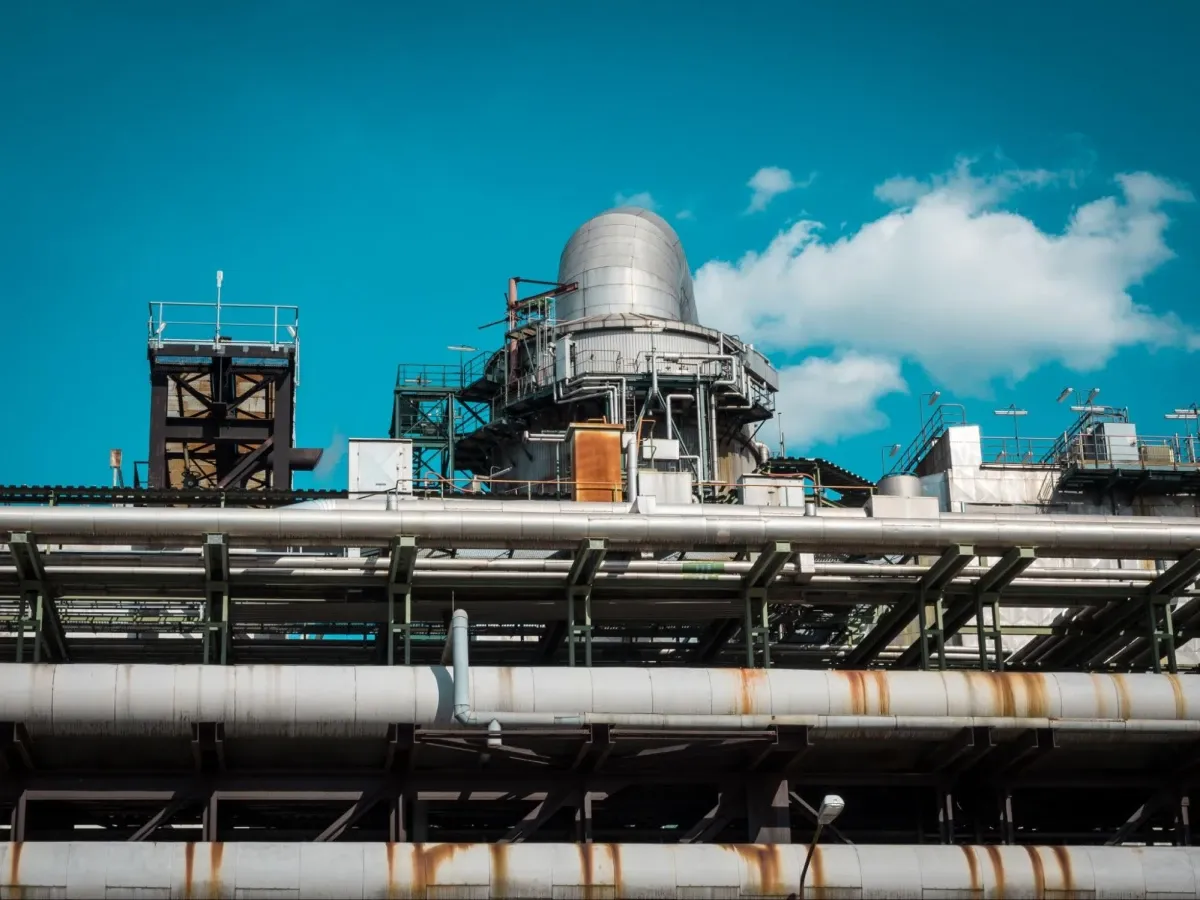
Why Inline Mixers for Polymer Blending Cut Chemical Waste

Why Inline Mixers for Polymer Blending Cut Chemical Waste

Manufacturers produce over 300 million tons of plastics globally for consumer use each year. The polymer blending and mixing process often creates significant chemical waste. Your polymer production’s bottom line improves dramatically when you use inline mixers that reduce unnecessary waste.

The polymer industry’s packaging segment consumes about 40% of total plastic globally. Inline blending systems create homogeneous reagent distribution within the flow and ensure complete contact between chemicals and target contaminants. The sustainable polymers market will grow 17% yearly between 2023 and 2028. Your investment in an inline polymer mixer saves costs immediately and meets environmental compliance standards. 

At AquaShear, we’ve seen firsthand how precision inline mixers can dramatically cut chemical waste and lower production costs. Here’s what every process engineer should know about how these systems achieve cleaner, more efficient blending.

How inline mixers reduce chemical waste in polymer blending

Compared to traditional batch mixing methods, inline mixers for polymer blending give you exact control that reduces chemical waste by a lot. These specialized systems create a controlled environment where additives and polymer bases mix in exact proportions. This setup eliminates excess material use throughout production.

Accurate dosing of liquid polymers for consistent performance

Inline polymer mixing systems let you meter chemicals accurately through fine-tuned pumps that deliver within 1% accuracy. Advanced multi-chamber dispersion designs activate polymers in carefully controlled stages, resulting in higher polymer performance and lower chemical consumption. This multi-zone mixing approach ensures additives are distributed evenly throughout the polymer base for consistent product quality.

Many inline systems also include calibration tubes that help operators verify the exact flow rate of neat polymers at different pump settings. By checking water flow measurements on rotameters, you can create polymer solutions with precise strengths. The mixture then passes through the inline mixing chamber to produce a homogeneous, waste-free solution that optimizes additive use.

Minimizing overuse of stabilizers and colorants

Advanced inline mixing technology also combines vacuum dispersion, shearing, and pressure wetting to create smooth, fine dispersions that can be reproduced reliably. This controlled process achieves excellent results with minimal use of stabilizers and colorants. Compared to conventional rotor–stator systems, these inline mixers require far less energy while delivering superior dispersion quality.

High-shear action within precision-engineered mixing chambers distributes stabilizers and colorants evenly at the molecular level. This prevents the formation of clumps that often cause additive overdosing. As a result, manufacturers can reduce mixing times by up to 90% while improving dispersion uniformity. leading to less colorant waste and fewer rejected batches.

Reducing batch-to-batch variability

Consistent quality in production runs offers another way inline mixers cut down chemical waste. Traditional batch processes often need extra chemicals as a safety margin to make proportional chemical addition that adjusts automatically with water flow rates Consistent mixing energy that ensures uniform dispersion across any batch size up for mixing problems. 
  • Flow-p
  • Automated feedback systems that optimize polymer doses
This consistency means you only use the additives you need. The elimination of batch-to-batch differences supports sustainability goals by reducing off-spec material that might need disposal or reworking.
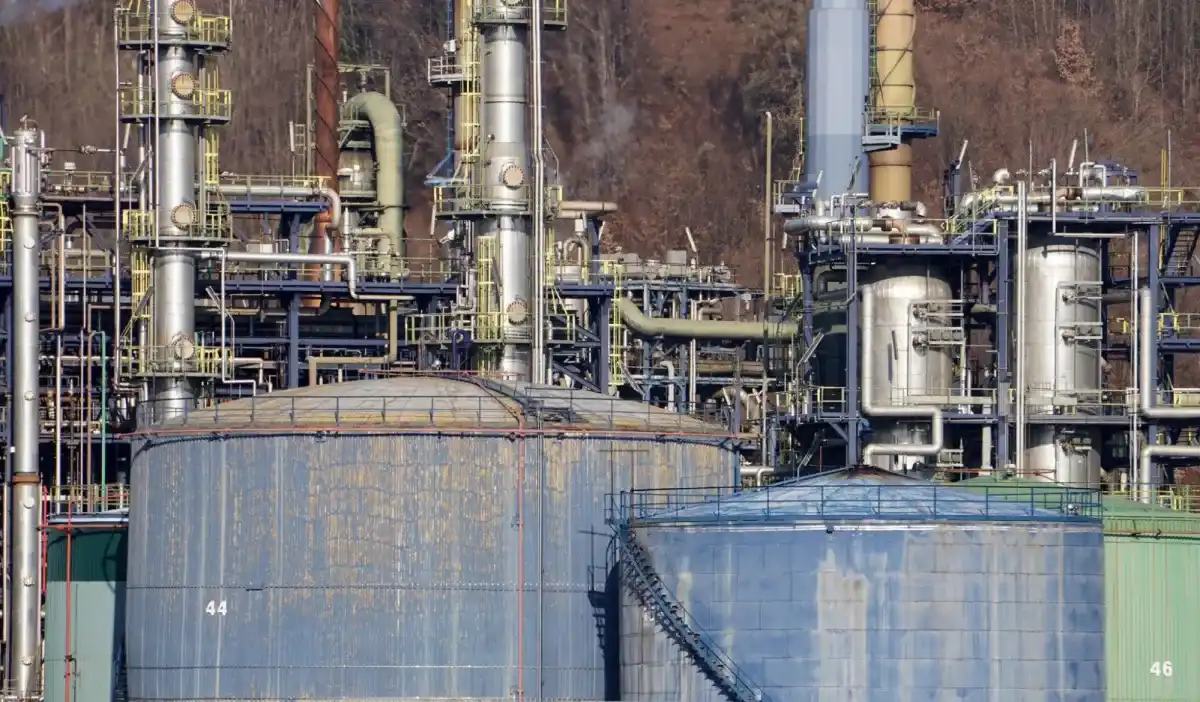
Big storage tanks with distillation towers.

Improving continuous process efficiency with inline blending systems

Inline mixers revolutionize polymer processing operations with their mechanical efficiency. These specialized devices ensure rapid material processing without compromising quality or increasing energy use, unlike traditional batch systems.

Faster mixing times and reduced energy use

Continuous operation of inline blending systems eliminates the start-stop cycle found in batch processing, a common challenge in many process industry operations. This optimized approach reduces energy consumption by a lot while boosting production capacity. Devices like AquaShear’s inline mixer use advanced hydraulic systems to create powerful vortexes through precision-lined opposing fluid streams. The process emulsifies all particles instantly without mechanical shearing and completes in under an hour instead of taking all day.

Consistent product quality across runs

Product quality control poses a critical challenge in polymer production. Even slight variations in temperature, pressure, and feed ratios can affect the polymer’s final properties. So, inline mixers deliver constant, uniform mixing that ensures product consistency with minimal deviations. The systems adapt to input material changes and enable precise control that meets strict customer quality requirements.

Lower material loss during transitions

Inline blending systems have eliminated need for intermediate blending and extra finished product tanks. The compact design cuts material loss during changeovers and transitions. Smooth integration into production lines keeps mixing running without interruption. Traditional batch processes often need manual transfers of ingredients that waste time and lead to errors and poor ratio control.

Operational advantages of inline polymer mixers for high-viscosity applications

Inline polymer mixers offer amazing operational benefits because of their simple structure. These benefits go beyond their chemical performance. Inline mixers are different from regular equipment because they don’t have common failure points.

No moving parts means less maintenance

Inline mixers work without any moving parts, which means you won’t need maintenance and can avoid downtime and repair costs. This design is ideal for continuous processes where interruptions can be expensive. Using hydraulic mixing with an eductor to create a Venturi effect, inline systems generate high turbulence without causing a high-pressure drop across the line. This approach activates polymers efficiently while maintaining a simple, durable construction.

As a result, you’ll experience fewer breakdowns and significantly lower maintenance requirements over the equipment’s lifespan.

Compact design saves space and cost

Inline mixers are lightweight and take up little space, making them cheaper than traditional tank mixers both upfront and long-term. You need very little room to set them up, and they don’t need any specific pipe lengths before or after. This means your facility can use a compact dynamic inline mixer and drive instead of bulky equipment like tanks, mixers, drives, and extras. Your plant saves valuable space and money on equipment costs.

Easier integration into existing lines
These mixers help bridge the gap between lab tests and full production. You just replace a pipe section with the mixer body and put a drive on top. Setting up is quick. Just connect the pipes and plug it in. The system’s flexible dimensions let you fit these mixers into your existing polymer lines without hassle.
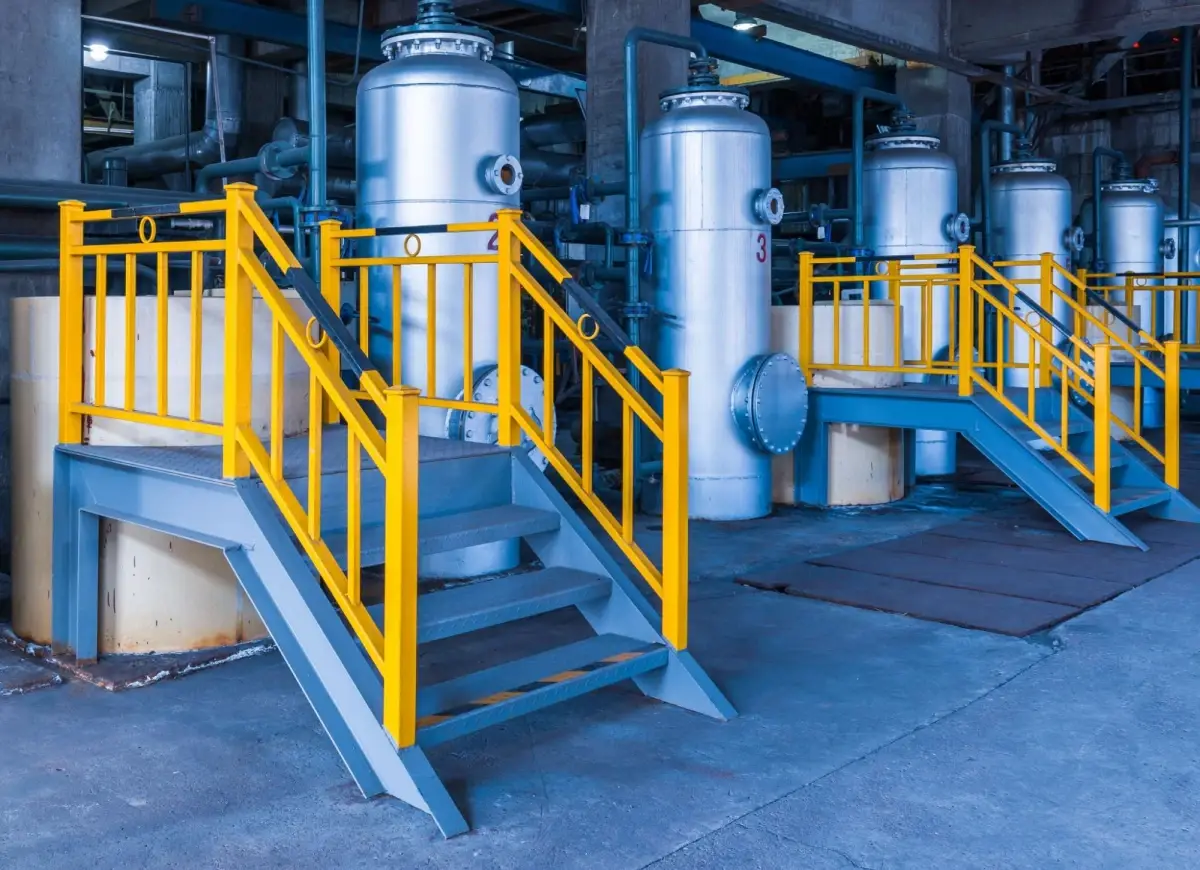
Row of steel tanks with yellow stairs in a plant.

Environmental and compliance benefits

Inline mixers for polymer blending provide significant environmental advantages beyond their operational benefits. Manufacturers can meet strict sustainability requirements through these mixers’ precision and efficiency. The improvements are measurable across several areas.

Lower emissions and waste disposal needs

Polymer processing with inline mixing technology has shown a remarkable reduction in material usage. Studies document a decrease in polymer consumption by up to 27%. These reductions mean lower disposal volumes and a smaller environmental footprint. Advanced inline mixing systems like AquaShear create powerful vortexes through precision stream arrangement. The result is material utilization with almost no sediment, which minimizes waste that would otherwise get pricey to dispose of.

Supports circular economy goals

Inline mixers are crucial in promoting circular economy principles as they process recycled materials. These mixers let facilities reuse plastic waste as melt in reaction processes. Specialized intensive inline mixers can handle temperatures up to 420°C and process pressures up to 160 bar. This capability allows reintroduction of nearly all thermoplastic materials and plastic mixtures into production. Such systems reduce dependence on virgin materials and create closed loops. 

Since only 18% of global plastics see recycling currently, these technologies are essential to reach ambitious recycling targets.

Helps meet regulatory standards for sustainable polymers

Manufacturers in the USA face growing pressure to meet evolving sustainability and recycling standards. Federal and state initiatives are driving higher recycled-content requirements and stricter oversight of waste reduction practices.

Inline mixers help companies stay ahead of these regulations by improving material efficiency through precise dosing and consistent processing of recycled polymers. By minimizing waste and optimizing resource use, producers can reduce compliance risks, lower costs, and support long-term environmental goals that align with both national and global sustainability initiatives.

AquaShear inline mixer: A closer look

The AquaShear inline mixer outperforms conventional systems with its innovative hydraulic technology. It handles polymer blending challenges with precision.

How AquaShear Achieves High-Efficiency Blending

AquaShear inline mixers use a specialized mixing chamber where multiple high-velocity fluid streams collide to create intense turbulence and a powerful, controlled vortex. Its precision hydraulic design features opposing streams that instantly emulsify particles without the need for mechanical shearing.

By leveraging the Venturi effect, the system generates strong suction that drives efficient mixing and uniform dispersion. The elliptical geometry ensures consistent performance across a wide range of flow rates and pressures, maintaining optimal blending conditions even under variable process demands.

Laboratory testing has shown near-complete polymer activation in just one second, highlighting the system’s ability to achieve exceptional efficiency while minimizing energy use and chemical waste.

Why it's ideal for polymer processing plants

Petrochemical applications, especially polymer production, benefit from the system’s design.

  • No moving parts leads to minimal maintenance needs (only 15 minutes monthly)
  • Projects need up to 20% less additive product
  • Sediment formation and sludge buildup are eliminated
The dustless operation creates a cleaner, more environmentally friendly polymer manufacturing process.
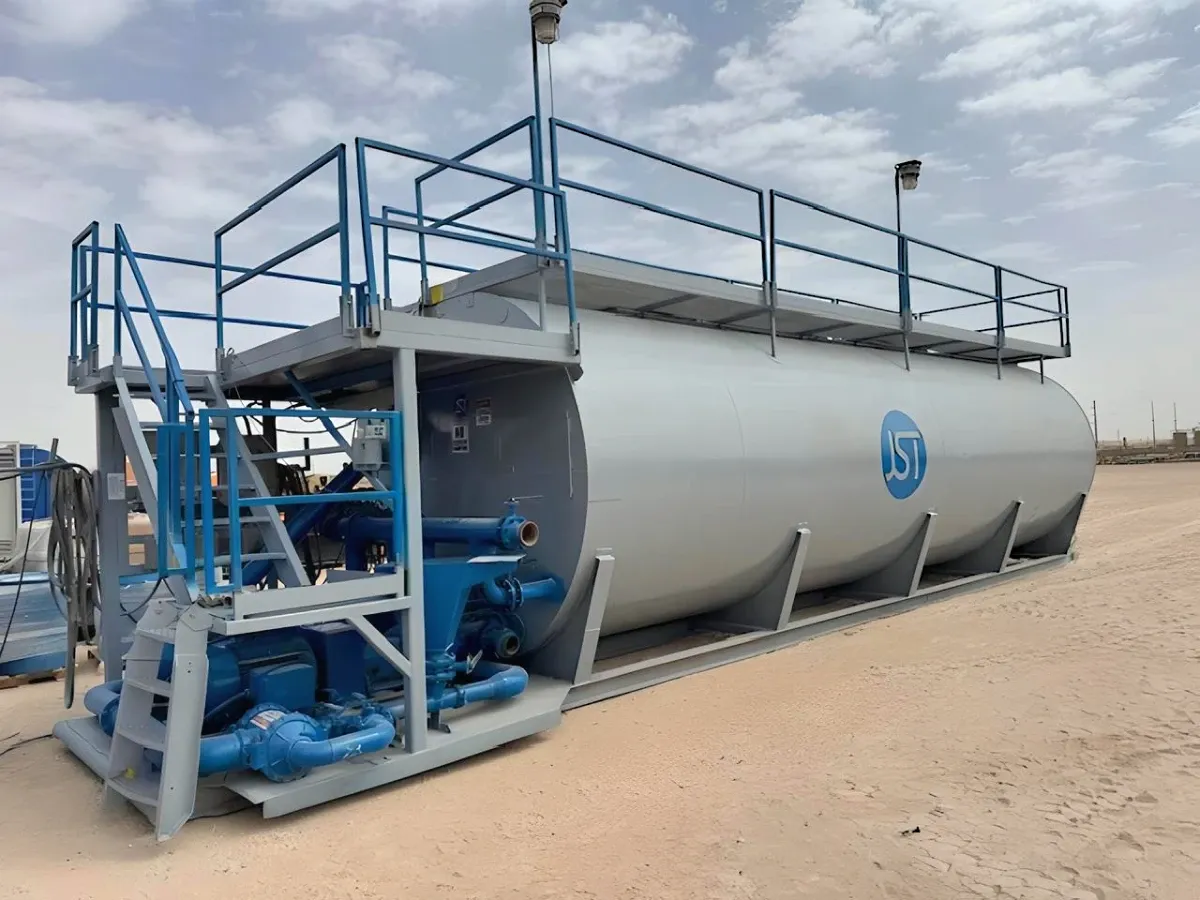
Large horizontal tank skid with piping in a desert site.

Inline Mixers for Polymer Blending Cut Chemical Waste

Inline mixers are transforming polymer blending by delivering higher efficiency, cleaner operations, and measurable cost savings. With precision dosing and dispersion, you eliminate the need for excess additives and achieve consistent product quality in every run. AquaShear technology harnesses the power of controlled hydraulic vortexes to create intense turbulence without mechanical shearing, activating up to 99% of polymers in just one second. With no moving parts, maintenance is minimal, downtime is reduced, and the system’s compact footprint fits seamlessly into existing production lines.

By reducing waste, energy use, and emissions, AquaShear systems help manufacturers meet sustainability goals and align with circular economy practices. More than an equipment upgrade, it’s a long-term investment in operational efficiency, environmental responsibility, and profitability.

Reduce chemical waste. Contact AquaShear to learn how our precision inline mixing technology can transform your polymer blending operation.

Inline Mixing for Polymer Blending FAQs

How do inline mixers reduce chemical waste in polymer blending?

Inline mixers reduce chemical waste by enabling precise dosing and dispersion of additives, minimizing overuse of stabilizers and colorants, and reducing batch-to-batch variability. This results in more efficient use of materials and less waste overall.
Inline polymer mixers offer several operational advantages, including maintenance-free operation due to no moving parts, space-saving compact design, and easier integration into existing production lines. These benefits lead to reduced downtime, lower costs, and improved efficiency.
Inline mixers support environmental sustainability by lowering emissions and waste disposal needs, facilitating the use of recycled materials in a circular economy, and helping manufacturers meet regulatory standards for sustainable polymers. This results in a reduced environmental footprint for polymer production.
The AquaShear inline mixer uses a specialized mixing chamber with opposing fluid streams to create intense turbulence and a powerful controlled vortex. This design allows for high-efficiency blending, achieving 99% polymer activation in just one second and reducing mixing times by up to 90%.
Inline mixers improve process efficiency by enabling faster mixing times, reducing energy use, ensuring consistent product quality across runs, and lowering material loss during transitions. These improvements lead to increased production capacity and better overall product quality.
Like this article?
Share on Facebook
Share on Twitter
Share on LinkedIn
Share on Pinterest