
Refinery Chemical Injection System
Refinery chemical injection has no tolerance for poor mixing. A neutralizer that doesn’t disperse before reaching the HCl vapor in a crude overhead drops salts on tube walls and eats the equipment. A corrosion inhibitor that streaks down one side of the pipe protects that side and leaves the other side exposed. Every injected chemical that doesn’t reach the fluid uniformly at the point of injection is either wasted or actively doing damage somewhere else.
AquaShear’s refinery chemical injection system delivers instant uniform dispersion in a single pass, with no moving parts to fail in corrosive service and no downstream mixing length required.
AquaShear’s refinery chemical injection system delivers instant uniform dispersion in a single pass, with no moving parts to fail in corrosive service and no downstream mixing length required.
What Refinery Chemical Injection Actually Requires
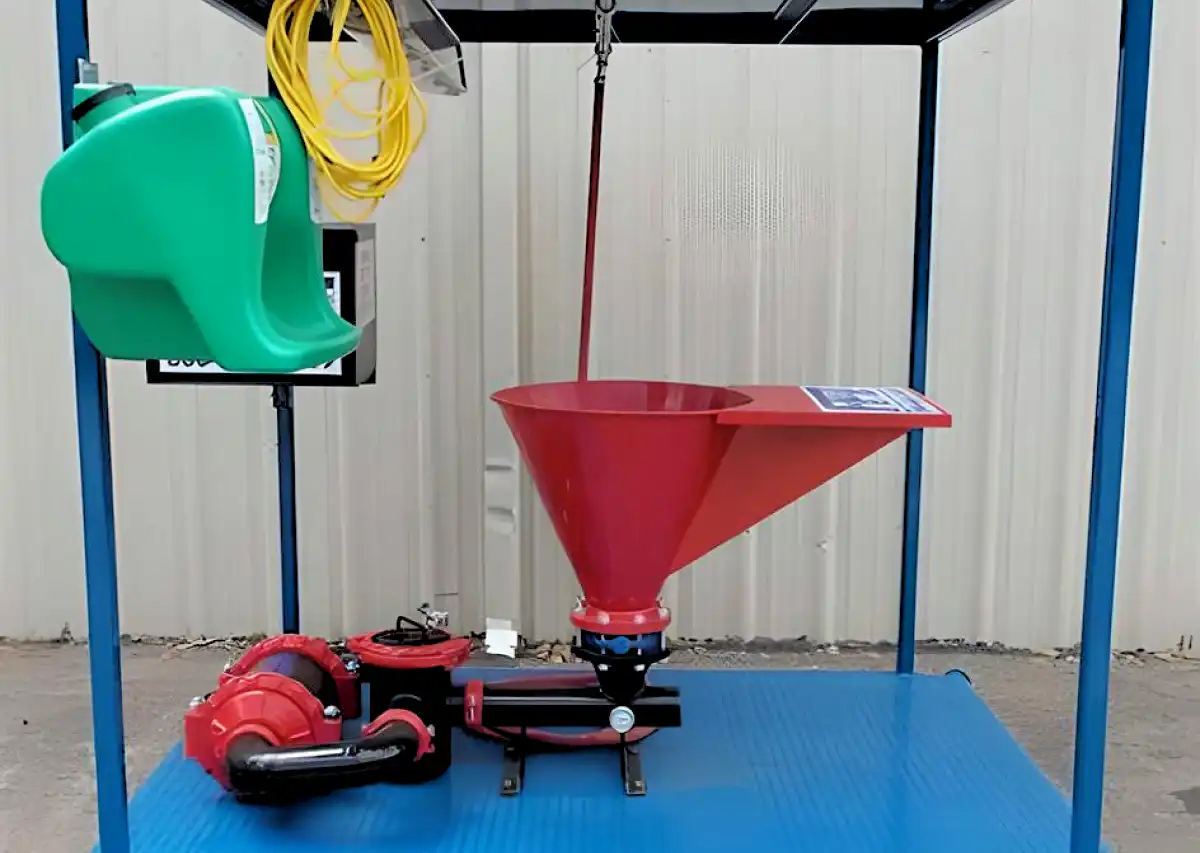
Refineries inject chemicals at dozens of points across the plant. Neutralizers and filming amines protect crude overheads from hydrochloric acid attack. Demulsifiers drop the brine out in the desalter. Corrosion inhibitors coat tubulars in hydroprocessing and sour water service. Antifoulants slow coking in preheat trains. Additives enter finished fuels for lubricity, cetane, and cold flow.
Every one of those jobs depends on the chemical making full contact with the host stream before anything downstream happens. Uneven neutralizer concentration drops ammonium chloride salts on tube walls. A streaky corrosion inhibitor leaves pipe wall unprotected on the far side of the stream. Poor dispersion of antifoulant lets coke form on the exchanger surfaces it didn’t reach.
Every one of those jobs depends on the chemical making full contact with the host stream before anything downstream happens. Uneven neutralizer concentration drops ammonium chloride salts on tube walls. A streaky corrosion inhibitor leaves pipe wall unprotected on the far side of the stream. Poor dispersion of antifoulant lets coke form on the exchanger surfaces it didn’t reach.
Why Standard Injection Setups Fall Short
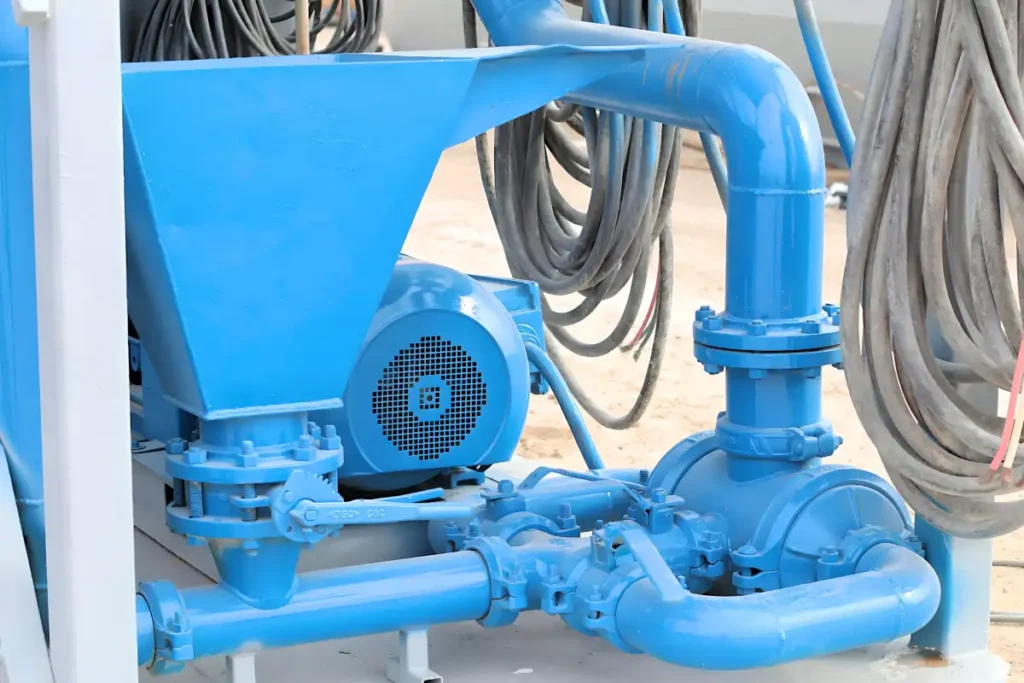
Most refinery injection points are a dosing pump, a quill, and whatever mixing happens naturally as the fluid travels downstream. In a large-diameter line moving at high velocity, that natural mixing takes a long distance, and the chemical is doing its job poorly or not at all until it’s dispersed.
Static mixers help but carry the same issues they cause elsewhere. Pressure drop, turndown sensitivity, dead zones outside design velocities. And mechanical mixers in refinery service mean moving parts in hot, corrosive, sometimes sour conditions, which is a maintenance liability the reliability group would rather not own.
Static mixers help but carry the same issues they cause elsewhere. Pressure drop, turndown sensitivity, dead zones outside design velocities. And mechanical mixers in refinery service mean moving parts in hot, corrosive, sometimes sour conditions, which is a maintenance liability the reliability group would rather not own.
How AquaShear Injects Chemicals in a Single Pass
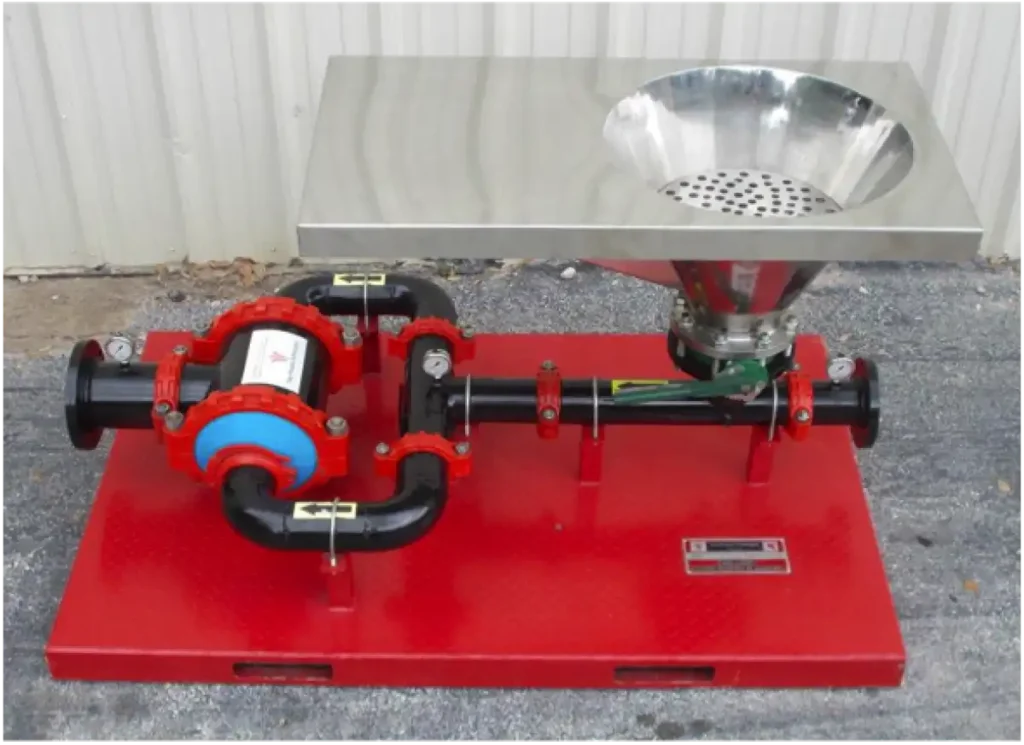
The AquaShear chamber has no moving parts. Opposing streams of process fluid and injection chemical collide through precision-aligned nozzles and generate a controlled vortex that distributes the chemical uniformly across the pipe cross-section before it leaves the chamber. One pass, full dispersion, no tube-length-dependent mixing required.
For refining service, AquaShear units are built in 316 stainless steel with Delrin nozzle disks and Viton gaskets to handle neutralizers, acids, caustics, amines, and demulsifier chemistries. Units handle up to 250°F and 150 PSIG. Applications running hotter than 250°F need a different mixing solution, and the AquaShear team will say so up front.
For refining service, AquaShear units are built in 316 stainless steel with Delrin nozzle disks and Viton gaskets to handle neutralizers, acids, caustics, amines, and demulsifier chemistries. Units handle up to 250°F and 150 PSIG. Applications running hotter than 250°F need a different mixing solution, and the AquaShear team will say so up front.
Proven in Corrosive Chemical Service
AquaShear units have run in acid, caustic, and chlorine service for over 20 years with no moving parts to replace. Quarterly maintenance is a 15-minute visual check, which matters on units tied into processes that don’t shut down for routine work.
Trusted By









Refinery Injection Points and Chemistries We Size For
AquaShear handles chemical injection across the refinery, including these areas.
Crude overhead neutralizer and filming amine injection
Desalter demulsifier dosing
Corrosion inhibitor injection in sour water and hydroprocessing
Antifoulant injection in preheat trains and heat exchangers
Hydrogen sulfide scavenger injection
Water wash injection
Amine unit antifoam dosing
FCC passivator and catalyst additive injection
Finished product additive dosing for lubricity, cetane, cold flow, and oxidation resistance
What We Need to Size Your System
Every AquaShear unit is built for the application. For a refinery chemical injection quote, the AquaShear team will ask for the following.
- Host stream flow rate, composition, and operating conditions
- Chemical being injected and supplier
- Dose rate and target concentration
- Injection point and downstream process
- Operating pressure and temperature, confirming operation under 250°F
- Metallurgy requirements and corrosion class
- Any site-specific reliability or maintenance constraints
Chamber sizes run from 1″ to 14″, with 316 stainless steel construction and matched nozzle and gasket materials standard for corrosive refinery service. Lead time runs 6 to 12 weeks.
Request a Refinery Chemical Injection Quote
Tell the AquaShear team about the application and they’ll size the system. Pricing starts at $1,500 and scales with size, materials, and configuration.