
Inline Mixing System for Wastewater Treatment
Wastewater chemistry is a numbers game. Every coagulant dose, every precipitation step, every pH adjustment works better when the chemical meets the water uniformly on the first contact. Poor mixing means overdosing to compensate, and overdosing shows up on the monthly chemical bill. AquaShear’s inline mixing system for wastewater treatment delivers complete dispersion in a single pass, at any flow rate, with no moving parts to fail in gritty or corrosive service.
What Wastewater Treatment Mixing Actually Requires
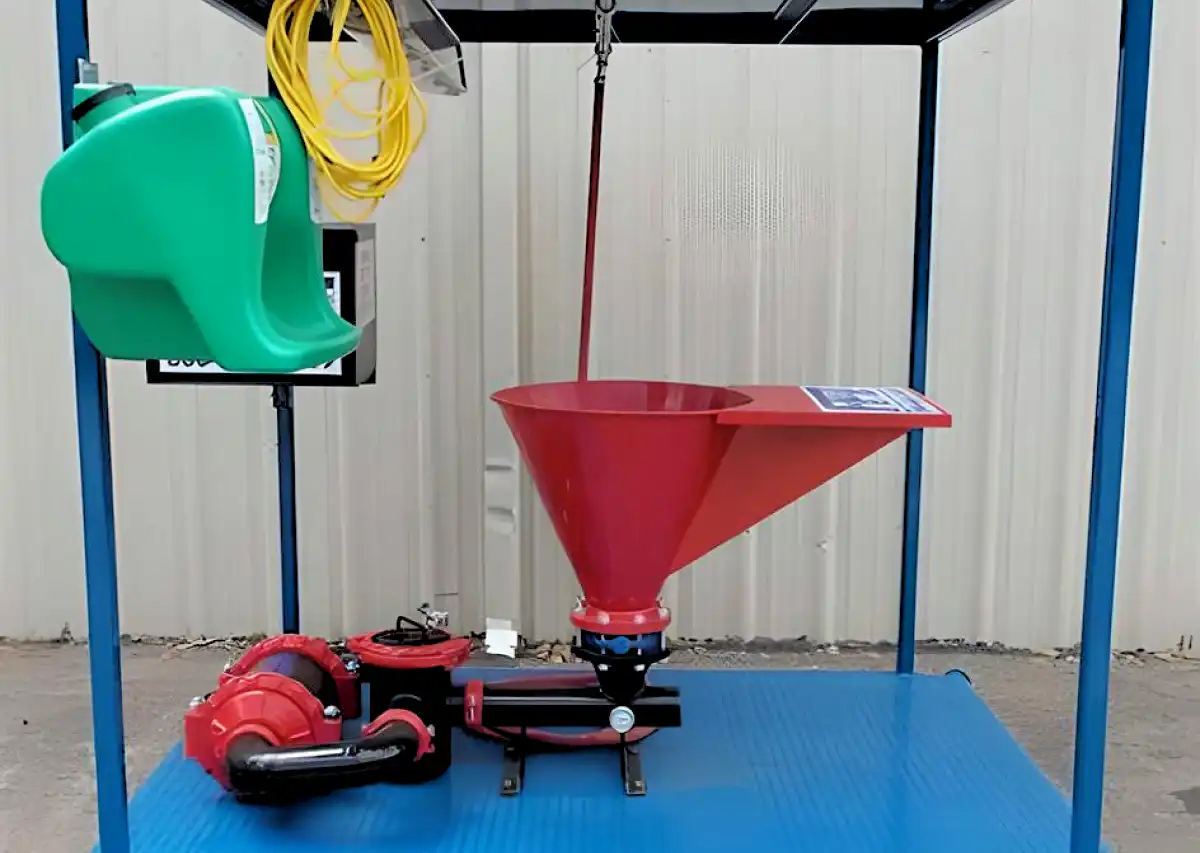
A wastewater plant runs multiple mixing jobs at once. Coagulants feed the flash mix for solids removal, caustic or lime adjusts pH and precipitates metals, oxidants address odor and treatment, and polymer activates flocculation and conditions sludge. Each needs uniform distribution within seconds of the chemical entering the flow, because reactions start immediately and uneven contact means uneven treatment.
Flow never holds steady either. Influent swings with the day, the weather, and the plant’s industrial contributors. A mixer that works at design flow and fails at 40% turndown costs the plant money every night.
Flow never holds steady either. Influent swings with the day, the weather, and the plant’s industrial contributors. A mixer that works at design flow and fails at 40% turndown costs the plant money every night.
Why Standard Wastewater Mixers Fall Short
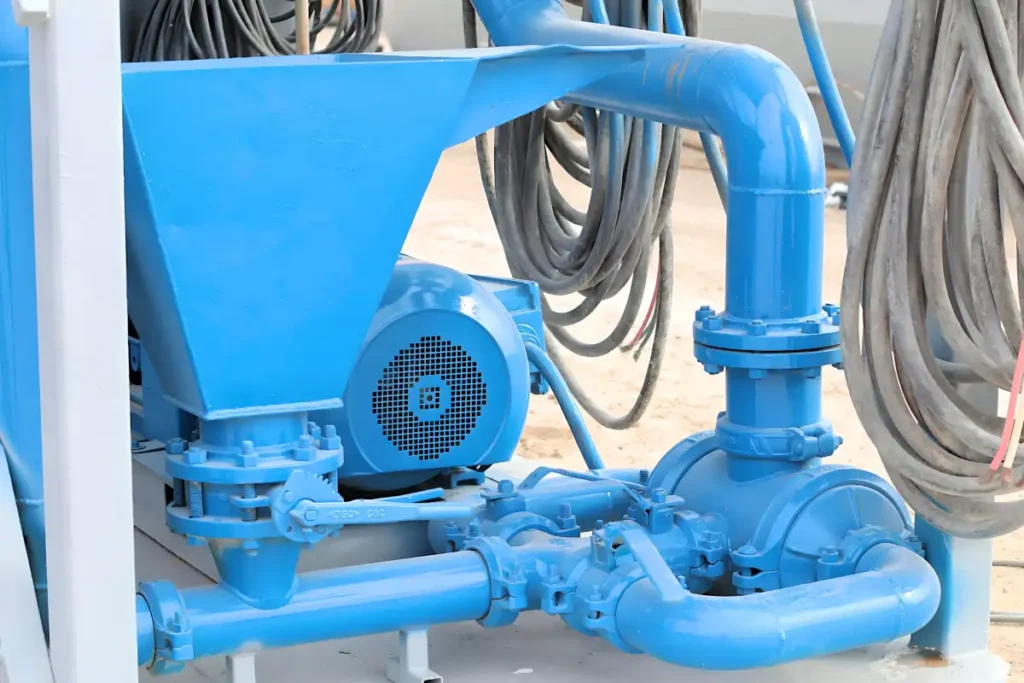
Mechanical rapid-mix basins are the industry default. They work, but they’re large, they leave dead zones around paddle tips and corners, and they expose the chemistry to air, which drives odor and aerosol issues. Static mixers go the opposite direction. Small footprint, but performance collapses at turndown and there’s no way to tune for a changing influent.
Both systems carry maintenance load. Seals, bearings, and impellers see grit, fibers, and sludge every day. And both tolerate a level of dead-zone inefficiency that operators compensate for by overdosing chemical.
Both systems carry maintenance load. Seals, bearings, and impellers see grit, fibers, and sludge every day. And both tolerate a level of dead-zone inefficiency that operators compensate for by overdosing chemical.
How AquaShear Mixes Wastewater Chemistry in a Single Pass
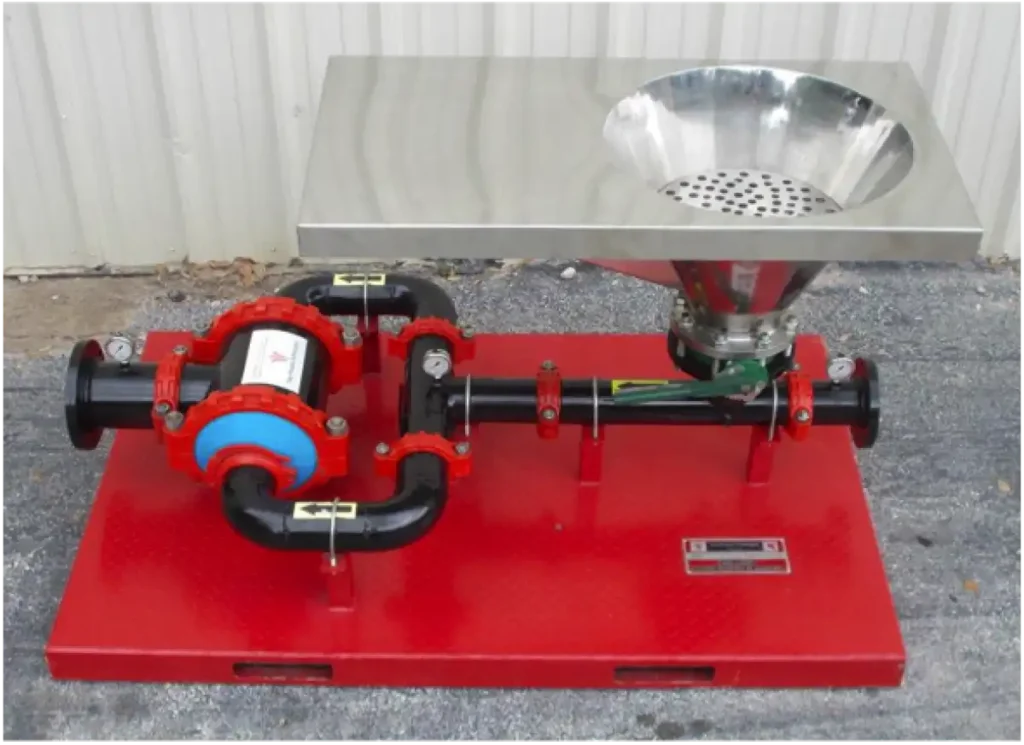
The AquaShear chamber has no moving parts. Opposing streams of wastewater and dosed chemical collide through precision-aligned nozzles and generate a controlled vortex that distributes the chemical uniformly across the pipe cross-section. One pass, full dispersion, no downstream basin required to finish the job.
For wastewater service, AquaShear units are typically built in 316 stainless steel with Delrin nozzle disks and Viton gaskets for corrosive chemistry, or carbon steel with polyurethane nozzles for grittier, abrasive service. Units handle up to 250°F and 150 PSIG, and install into the process line in under four hours using standard Victaulic or ANSI flanges.
For wastewater service, AquaShear units are typically built in 316 stainless steel with Delrin nozzle disks and Viton gaskets for corrosive chemistry, or carbon steel with polyurethane nozzles for grittier, abrasive service. Units handle up to 250°F and 150 PSIG, and install into the process line in under four hours using standard Victaulic or ANSI flanges.
Chemical Savings That Show Up on the Bill
Field operations on related applications have reported up to 52% reductions in chemical use after installing AquaShear units, driven by complete dispersion that eliminates the need to overdose against dead zones and unhydrated pockets. In a wastewater plant, the same mechanism applies to coagulant, caustic, and flocculant chemistries.
Trusted By











Wastewater Applications We Size For
AquaShear handles the full range of wastewater treatment mixing, including the following.
Coagulant dosing with alum, ferric chloride, or PAC
Metals precipitation using lime, caustic, or sulfide
Phosphorus removal with iron or aluminum salts
Oxidant dosing including peroxide, permanganate, and peracetic acid
Odor control chemistry
Alkalinity and nutrient addition for biological treatment
Polymer and flocculant activation for clarifiers and dewatering
Industrial pretreatment and compliance dosing
Typical plants served include municipal WWTPs, food and beverage facilities, refineries, mining operations, and landfill leachate systems.
What We Need to Size Your System
Every AquaShear unit is built for the application. For a wastewater mixing quote, the AquaShear team will ask for these items.
- Flow range, including peak, average, and minimum flows
- Type of wastewater and influent character
- Chemical being dosed and feed concentration
- Point in the process, whether headworks, rapid mix, precipitation, or sludge line
- Treatment objective and compliance requirements
- Materials preference based on chemistry and solids content
Chamber sizes run from 1″ to 14″. Standard materials include carbon steel with polyurethane for abrasive service and 316 stainless steel with Delrin and Viton for corrosive chemistry. Lead time runs 6 to 12 weeks.
Request a Wastewater Treatment Mixing Quote
Tell the AquaShear team about the plant and the chemistry, and they’ll size the system. Pricing starts at $1,500 and scales with size, materials, and configuration.